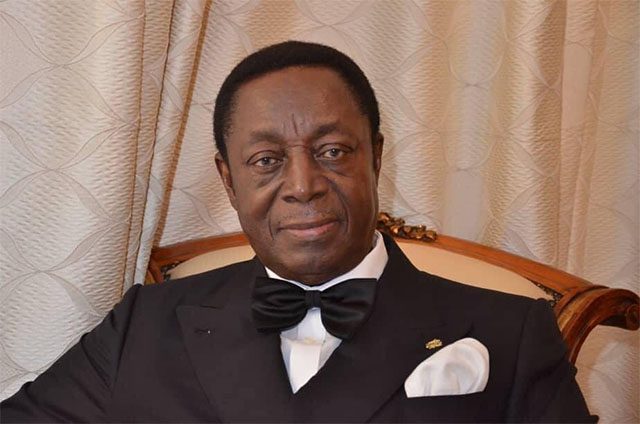
Prominent statesman Dr. Kwabena Duffuor has advocated for the reintegration of chiefs into the country’s governance structure, asserting that their exclusion has played a role in social and economic decline, particularly in rural communities.
In an article titled “Empowering Our Chiefs,” he made a compelling argument for revitalizing the chieftaincy institution to foster national unity and drive local development.
Decline of Traditional Leadership Traditionally, chiefs were central figures in governance, maintaining security and managing land affairs. Prior to colonial rule, they were key mediators and custodians of justice. However, the 1992 Constitution greatly diminished their influence, confining their roles to customary matters.
Dr. Duffuor, former Governor of the Bank of Ghana and ex-Finance Minister, pointed out that this shift has weakened the chieftaincy institution, resulting in social fragmentation.
“Our chiefs, who once played a pivotal role in governance, have been sidelined, exposing communities to disorder, rural migration, and moral decline,” he noted.
He highlighted the financial constraints faced by chiefs, which have hindered their ability to address pressing developmental issues in their regions.
Strengthening Collaboration for Development To address these concerns, Dr. Duffuor proposed a renewed partnership between chiefs and the government.
He recommended that 20 percent of local revenue be allocated to traditional authorities to support development initiatives, arguing that this financial backing would strengthen rural economies, improve education, and enhance infrastructure.
“With the right resources and authority, chiefs can effectively tackle challenges such as illegal mining, youth unemployment, and rural poverty,” he stated.
He stressed that because chiefs are deeply embedded in their communities, they are in a unique position to oversee and implement local development efforts.
Legislative Reforms to Strengthen Tradition Dr. Duffuor, who also founded the Institute for Fiscal Studies Ghana, called for legislative and policy reforms to restore the governance role of chiefs.
He proposed an integration framework that would allow chiefs to participate in policymaking while working alongside faith leaders, local governments, and development organizations.
He also emphasized the need for cultural preservation, warning that marginalizing traditional institutions erodes Ghana’s national identity.
“A nation that neglects its traditions loses its essence. Chieftaincy is not a remnant of the past but a cornerstone of our cultural and governance heritage,” he stated.
A Vision for Change Dr. Duffuor outlined a governance model that not only empowers chiefs but also holds them accountable for their leadership.
By reinstating their influence, he believes Ghana can decentralize governance, ease the burden on Accra, and reinvigorate rural communities.
“Restoring the authority of our traditional leaders is not about reminiscing about the past; it is about fostering a more balanced and prosperous nation. When empowered, our chiefs can drive real progress,” he concluded.
His call to action encourages policymakers to reevaluate the role of traditional leadership, emphasizing that chieftaincy remains a crucial institution for Ghana’s future development.
END