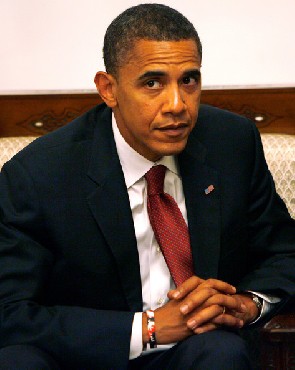
Mr. Nicholas Donkor, US based Ghanaian Data Analyst
Trump Waking Up Africans To Be Self-Reliant—Ghanaian Data Analyst.
Mr. Nicholas Donkor, United States-based Ghanaian Data Analyst says Donald Trump’s policies towards Africa may seem harsh, but it is a wake-up call to African leaders to work hard to become self-reliant.
In a release copied to the media, Mr. Donkor said African leaders had become so comfortable receiving handouts from the USA 🇺🇸 and other Western Countries, adding that Trump’s decision should serve a good lesson.
The Data analyst bemoaned the attitude of some African leaders, adding that they were doing nothing to solve the problem of joblessness and poverty in their own countries.
This portal presents in full the statement as released by the Data Analyst.
Statement:
President Donald Trump‘s Policies on Aid Is howbeit harsh is a wake up call that should challenge African Leaders to be self-reliant and become economic independent.
The second term of president Donald Trump and the evolving global landscape, his policies and engagement with Africa have ignited significant debates.
While his administration’s approach to African nations is characterized by transactional diplomacy, his stance has perhaps unintentionally presented African leaders with crucial opportunity the necessity to embrace self-reliance and economic independence.
This tenure of president Trump administration, there is less engagement from U.S government.
Analysis:
Unlike previous administrations that pursued extensive foreign aid programs and multilateral agreements with African’s nations, Trump’s approach emphasized “America First,” which has translated into reduced aids and a focused on bilateral trade agreement.
While some critics view this as a neglect of Africa, it also underscores the reality that African nations must take greater responsibility for their economic futures rather than relying on external support.
Trump’s policies whether intended or not, have pushed African leaders to reconsider their economic dependencies.
Background:
Historically, many African economies have relied heavily on foreign aids, loans and investment from West and China.
However, with shifting geopolitical priorities, African nations are now faced with the necessity of strengthening intra-African trade leveraging local resources and fostering homegrown innovations.
Strategy:
One major step in this direction is the African Continental Free Trade Area (AfCFTA) which aims to create a single market for goods and services across the continent.
By promoting regional trade and industrialization, African nations can reduce their reliance on external partners and build stronger self-sustaining economies.
For Africa to embrace self-reliance effectively, visionary leadership is important.
Leadership:
Leaders must prioritize economic policies that encourage local production, entrepreneurship and industrialization.
This involves investment in infrastructure, technology and education system that equip the youth with skills needed for competitive global market.
African governments must strengthen institutions to tackle corruption and inefficiency, ensuring that resources are utilised for national development rather than lost to mismanagement.
By fostering transparent governance and stable political environments, African nations can attract sustainable investments that contribute to long-term growth.
Technology:
A key driver of self-reliance is technological advancement.
African nations must invest in research, development, and innovation to reduce dependency on foreign technologies.
Countries like Ghana, Kenya, Nigeria, and Rwanda have already made strides in digital transformation, showcasing how Africa can lead in sectors such as fintech, renewable energy, and agribusiness.
Support For Local Industries:
Additionally, African leaders must support local manufacturing industries to reduce reliance on imports.
This can be achieved through policies that promote local production, protect small businesses, and create incentives for entrepreneurship.
While President Trump’s administration may not have prioritized Africa in traditional diplomatic and economic engagements, it inadvertently underscored the importance of self-reliance.
Opportunity:
African leaders must seize this moment to strengthen economic resilience, invest in local industries, and foster innovation.
By doing so, Africa can position itself as a formidable economic powerhouse that is less dependent on external influences and more focused on sustainable, homegrown development.
The path to self-reliance is not without challenges, but with the right leadership, policies, and vision, Africa has the potential to shape its own destiny and redefine its place in the global economy.
By
Nicholas Donkor
Nicholasdonkor1989@gmail.com
What do you think about this story? Please leave a comment in the comment section
For event coverage, news publication, advertisement and general inquiry, please call 0208557965
END